

When it comes to the textile industry, blended yarn has emerged as a popular choice for various applications due to its unique combination of properties from different fibers. As a leading blended yarn supplier, I often receive inquiries about the mildew resistance of our products. In this blog post, I will delve into the science behind mildew resistance in blended yarn, exploring the factors that influence it and how different types of blended yarn fare in this regard.
Understanding Mildew and Its Impact on Yarn
Mildew is a type of fungus that thrives in warm, moist environments. It can grow on a variety of organic materials, including yarn, causing discoloration, odor, and even structural damage over time. The presence of mildew not only affects the aesthetic appeal of the yarn but also compromises its strength and durability, making it less suitable for long-term use.
Factors Affecting Mildew Resistance in Blended Yarn
Several factors contribute to the mildew resistance of blended yarn. These include the type of fibers used in the blend, the spinning and finishing processes, and the environmental conditions in which the yarn is stored and used.
Fiber Selection
The choice of fibers in a blended yarn plays a crucial role in determining its mildew resistance. Some fibers, such as synthetics like polyester and nylon, are naturally more resistant to mildew due to their hydrophobic nature. These fibers do not absorb moisture easily, making it difficult for mildew to grow on their surface.
On the other hand, natural fibers like cotton, wool, and silk are more prone to mildew growth because they are hygroscopic, meaning they can absorb and retain moisture. However, when combined with synthetic fibers in a blend, the mildew resistance of the yarn can be improved. For example, a blend of cotton and polyester can offer the best of both worlds: the comfort and breathability of cotton and the mildew resistance of polyester.

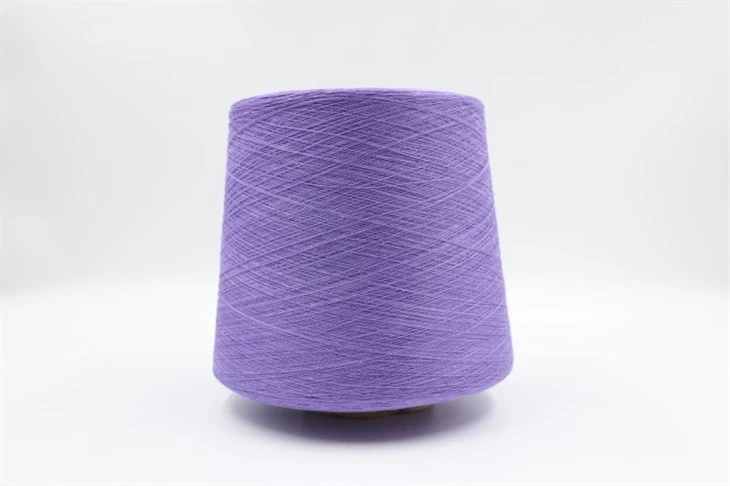
Here are some examples of blended yarns we offer and their mildew resistance characteristics:
- Tencel Lyocell Yarn: Tencel Lyocell is a semi-synthetic fiber made from wood pulp. It is known for its softness, absorbency, and environmental friendliness. When blended with other fibers, Tencel Lyocell can enhance the comfort and drape of the yarn while also providing some level of mildew resistance.
- Cashmere Silk Blend Yarn: Cashmere and silk are both luxurious natural fibers that are highly valued for their softness and luster. However, they are also more susceptible to mildew growth. By blending them with a synthetic fiber or a more mildew-resistant natural fiber, the mildew resistance of the yarn can be improved.
- Recycled Polyester Yarn: Recycled polyester is made from post-consumer plastic bottles and other waste materials. It is a sustainable alternative to traditional polyester and has similar mildew resistance properties. When blended with other fibers, recycled polyester can increase the durability and mildew resistance of the yarn.
- Hemp Blend Yarn: Hemp is a natural fiber that is known for its strength, durability, and anti-bacterial properties. It has some level of mildew resistance due to its natural composition. When blended with other fibers, hemp can enhance the overall mildew resistance of the yarn while also providing other benefits such as breathability and UV protection.
- Hemp Mixed Yarn: Similar to hemp blend yarn, hemp mixed yarn combines hemp with other fibers to create a unique blend. The mildew resistance of hemp mixed yarn depends on the type and proportion of other fibers used in the blend.
Spinning and Finishing Processes
The spinning and finishing processes used to produce blended yarn can also affect its mildew resistance. During the spinning process, the fibers are twisted together to form a stable yarn. The tightness of the twist can influence the yarn's ability to absorb and release moisture. A tighter twist can reduce the yarn's absorbency and make it less prone to mildew growth.
Finishing processes, such as scouring, bleaching, and dyeing, can also impact the mildew resistance of the yarn. Some finishes, such as anti-microbial treatments, can be applied to the yarn to inhibit the growth of mildew and other microorganisms. These treatments can be effective in improving the yarn's mildew resistance, especially when combined with appropriate fiber selection and spinning techniques.
Environmental Conditions
The environmental conditions in which the yarn is stored and used play a significant role in determining its susceptibility to mildew growth. Yarn stored in a damp, humid environment is more likely to develop mildew than yarn stored in a dry, well-ventilated area. Similarly, yarn used in applications where it is exposed to moisture, such as outdoor upholstery or swimwear, is more prone to mildew growth than yarn used in dry indoor applications.
Testing and Ensuring Mildew Resistance in Blended Yarn
As a blended yarn supplier, we take the mildew resistance of our products very seriously. We conduct rigorous testing to ensure that our yarns meet the highest standards of quality and performance. Our testing procedures include exposing the yarn to controlled moisture and temperature conditions to simulate real-world environments and monitoring the growth of mildew over time.
In addition to our internal testing, we also stay up-to-date with the latest research and developments in the field of mildew resistance in yarn. We work closely with our suppliers and industry partners to ensure that we are using the most advanced technologies and materials to produce our blended yarns.
Choosing the Right Blended Yarn for Mildew Resistance
When selecting a blended yarn for applications where mildew resistance is a concern, it is important to consider the specific requirements of the project. Here are some tips to help you choose the right yarn:
- Understand the Fiber Content: Look for yarns that contain a high proportion of mildew-resistant fibers, such as synthetic fibers or natural fibers with anti-bacterial properties.
- Consider the Spinning and Finishing Processes: Opt for yarns that are tightly spun and have been treated with anti-microbial finishes to enhance their mildew resistance.
- Evaluate the Environmental Conditions: Consider the environment in which the yarn will be used and choose a yarn that is suitable for those conditions. For example, if the yarn will be used in a damp or humid environment, choose a yarn with high mildew resistance.
Contact Us for Your Blended Yarn Needs
If you are in the market for high-quality blended yarn with excellent mildew resistance, we would love to hear from you. As a trusted blended yarn supplier, we offer a wide range of yarns to meet the diverse needs of our customers. Whether you are a textile manufacturer, a designer, or a crafter, we can provide you with the perfect yarn for your project.
Contact us today to discuss your requirements and learn more about our products. We look forward to the opportunity to work with you and help you find the ideal blended yarn for your application.
References
- ASTM International. (2021). Standard Test Method for Resistance to Fungi of Textile Materials Under Accelerated Conditions. ASTM D4445-18.
- Textile Institute. (2019). Handbook of Fibre Science and Technology: Volume 3 - Man-Made Fibres. Woodhead Publishing.
- Wilson, A. D. (2018). Textile Science. Pearson.