

Moisture-wicking ability is a crucial characteristic in yarn, especially for applications where comfort and performance are key. As a supplier of blended acrylic yarn, I've witnessed firsthand the importance of understanding how this moisture-wicking process works. In this blog, I'll delve into the science behind the moisture-wicking ability of blended acrylic yarn, exploring its mechanisms, benefits, and real-world applications.
The Science of Moisture Wicking
To understand how blended acrylic yarn wicks moisture, we first need to grasp the basic principles of moisture transfer. Moisture wicking is a process that involves moving sweat and moisture away from the skin to the outer surface of the fabric, where it can evaporate more easily. This helps to keep the body dry and comfortable, especially during physical activities or in warm environments.
Blended acrylic yarn achieves this moisture-wicking effect through a combination of its physical and chemical properties. Acrylic fibers are synthetic polymers that have a unique molecular structure. They are hydrophobic, meaning they repel water. However, when blended with other fibers, such as natural fibers or other synthetic fibers, the yarn can gain enhanced moisture-wicking capabilities.
One of the key mechanisms of moisture wicking in blended acrylic yarn is capillary action. Capillary action is the ability of a liquid to flow in narrow spaces without the assistance of, or even in opposition to, external forces like gravity. In the case of blended acrylic yarn, the tiny gaps and channels between the fibers act as capillary tubes. When sweat comes into contact with the yarn, it is drawn into these capillary tubes and then spreads out over the surface of the fibers.
Another important factor is the surface area of the fibers. Blended acrylic yarn often has a high surface area due to the fine texture of the fibers. A larger surface area provides more contact points for the sweat to adhere to, facilitating the transfer of moisture from the skin to the yarn. Additionally, the porosity of the yarn plays a role. A yarn with a higher porosity will allow air to circulate more freely, which helps to speed up the evaporation of moisture.
The Role of Blending in Moisture Wicking
The blending of acrylic with other fibers is a critical step in enhancing the moisture-wicking ability of the yarn. Different fibers bring their own unique properties to the blend, which can work synergistically to improve overall performance.
For example, when acrylic is blended with natural fibers like cotton, the blend can combine the moisture-absorbing properties of cotton with the quick-drying and hydrophobic nature of acrylic. Cotton has a high capacity for absorbing moisture, which helps to draw sweat away from the skin. Once the sweat is absorbed by the cotton fibers, the acrylic fibers in the blend help to push the moisture to the outer surface of the fabric for evaporation. This combination results in a yarn that can keep the body dry while still providing comfort.
Another popular blend is Hemp Mixed Yarn. Hemp fibers are known for their excellent breathability and moisture-wicking properties. When blended with acrylic, the resulting yarn can offer a high level of comfort and durability. Hemp fibers are also naturally antimicrobial, which can help to reduce odor and keep the fabric fresh.
Recycled Polyester Blend Yarn is another option. Recycled polyester is a sustainable choice that can also contribute to the moisture-wicking ability of the blend. Polyester fibers are hydrophobic and can quickly transfer moisture to the outer surface of the fabric. When combined with acrylic, the blend can provide good moisture management and performance.
Benefits of Moisture-Wicking Blended Acrylic Yarn
The moisture-wicking ability of blended acrylic yarn offers several benefits, making it a popular choice in a wide range of applications.
Comfort: One of the primary benefits is comfort. By keeping the body dry, the yarn reduces the feeling of clamminess and discomfort that can come with sweating. This is especially important for active individuals who engage in sports or other physical activities. Whether it's a long run, a yoga session, or a workout at the gym, moisture-wicking blended acrylic yarn can help to keep the body comfortable and focused.
Performance: In addition to comfort, moisture-wicking yarn can also enhance performance. When the body is kept dry, it can regulate its temperature more effectively, which can prevent overheating and fatigue. This can lead to improved performance, whether in a professional sports setting or in everyday activities.
Durability: Blended acrylic yarn is known for its durability. The combination of acrylic with other fibers results in a yarn that is strong and resistant to wear and tear. This makes it suitable for applications where the fabric will be exposed to frequent use and washing.
Versatility: Blended acrylic yarn can be used in a variety of applications, from sportswear and activewear to casual clothing and home textiles. Its versatility makes it a popular choice for designers and manufacturers who are looking for a high-performance yarn that can be used in different products.
Real-World Applications
The moisture-wicking ability of blended acrylic yarn makes it a valuable material in many real-world applications.
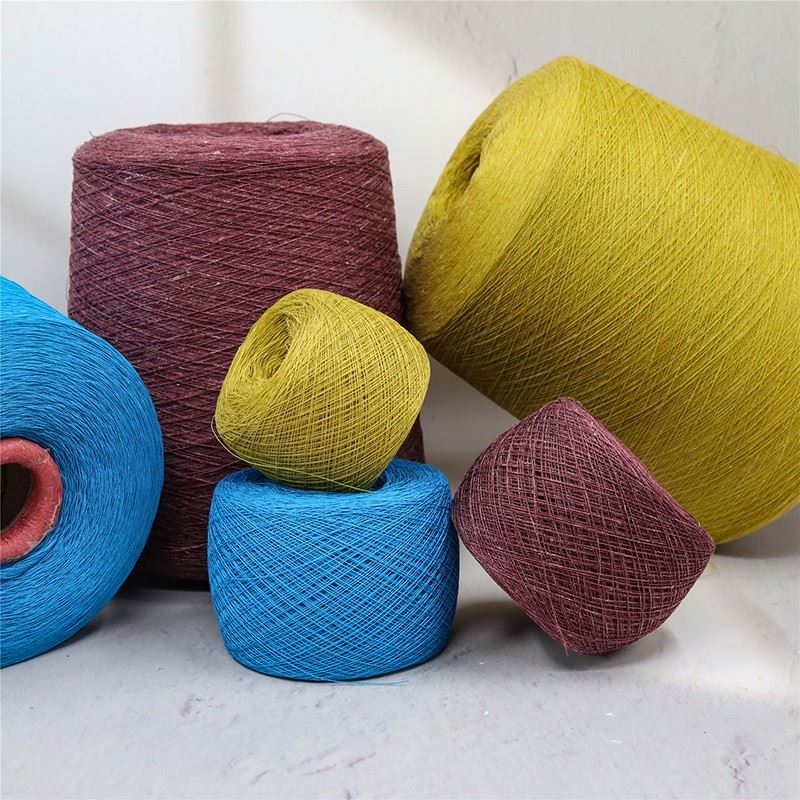

Sportswear and Activewear: In the sports and fitness industry, moisture-wicking blended acrylic yarn is widely used in the production of sportswear and activewear. T-shirts, leggings, socks, and base layers made from this yarn can help athletes stay dry and comfortable during intense physical activities. Brands like Nike and Adidas often use moisture-wicking yarns in their performance apparel to enhance the comfort and performance of their products.
Casual Clothing: Moisture-wicking blended acrylic yarn is also finding its way into casual clothing. T-shirts, sweaters, and jeans made from this yarn can provide a comfortable and stylish option for everyday wear. The ability to keep the body dry makes these garments suitable for a variety of climates and activities.
Home Textiles: In the home textile industry, moisture-wicking blended acrylic yarn can be used in the production of bedding, towels, and upholstery. Bedding made from this yarn can help to keep the sleeper dry and comfortable, while towels can dry quickly and resist odor. Upholstery made from moisture-wicking yarn can also provide a more comfortable seating experience.
Conclusion
The moisture-wicking ability of blended acrylic yarn is a result of its unique combination of physical and chemical properties, as well as the benefits of blending with other fibers. Through capillary action, high surface area, and porosity, the yarn can effectively move moisture away from the skin, keeping the body dry and comfortable. This makes it a popular choice in a wide range of applications, from sportswear and activewear to casual clothing and home textiles.
As a supplier of blended acrylic yarn, I'm committed to providing high-quality products that meet the needs of my customers. If you're interested in learning more about our blended acrylic yarn or are looking to place an order, I encourage you to reach out. Whether you're a designer, a manufacturer, or a retailer, we can work together to find the perfect yarn for your project.
References
- Textile Institute. (Year). Handbook of Textile Fibre Structure. Woodhead Publishing.
- Horrocks, A. R., & Anand, S. C. (Eds.). (Year). Handbook of Technical Textiles. Woodhead Publishing.